The 10-Minute Morning Routine: Why Consistency Trumps Intensity
Published: February 2026 | Reading Time: 6 min
We often think that if we don't have an hour to spend at the gym, the day is lost. Science suggests otherwise. A consistent 10-minute morning routine can be more effective for long-term health than a chaotic 2-hour session once a week.
The "Jumpstart" Effect
Movement in the morning boosts your metabolic rate and triggers the release of endorphins and dopamine. This isn't just about calories; it's about setting a psychological "win" for the day. When you start your morning with a physical commitment, you are statistically more likely to make healthier food choices throughout the day.
Perfect 10-Minute Structure:
- 2 Mins: Joint Mobility (Neck, Shoulders, Hips).
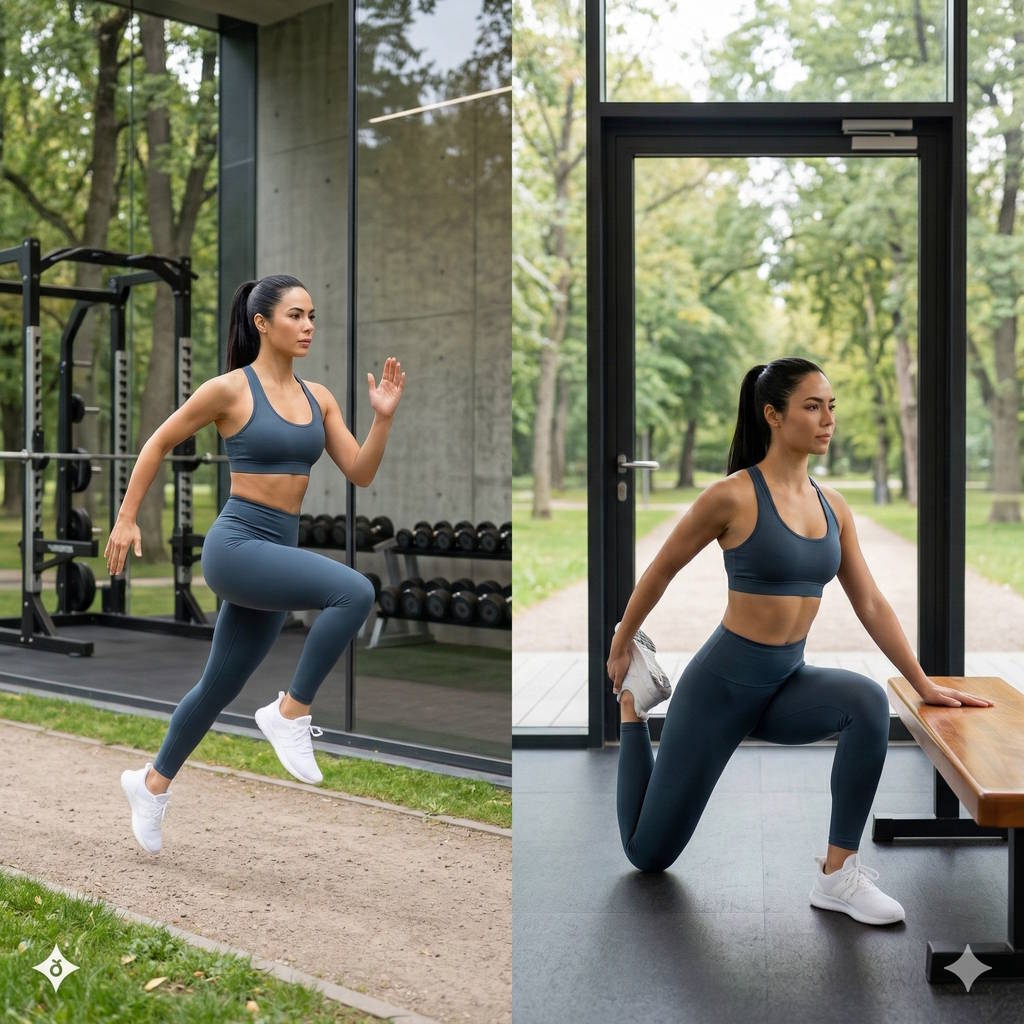
- 3 Mins: Heart Rate Elevation (Jumping Jacks or High Knees).
- 4 Mins: Strength Holds (Plank, Squat Holds, or Lunges).
- 1 Min: Deep Breathing & Centering.
The Secret Sauce: Don't check your phone before this routine. Keep those 10 minutes for your body and mind. By the time you open your emails, your brain will be oxygenated and ready for high-level problem solving.
Looking for a specific routine? Check our Workouts section for 10-minute circuits that require zero equipment.
The Truth About Fasted Cardio: Does Training on an Empty Stomach Burn More Fat?
Published: February 2026 | Reading Time: 6 min
The concept of "fasted cardio"—performing aerobic exercise after not eating for 8 to 12 hours—has been a staple in the bodybuilding community for decades. Proponents claim that because your insulin levels are low and your glycogen stores are slightly depleted, your body is forced to mobilize fat for fuel.
The Physiology of Fat Oxidation
When you exercise, your body draws energy from two primary sources: carbohydrates (glycogen) and fats. It is true that during a fasted state, the percentage of energy derived from fat oxidation is higher. Research shows that blood flow to the adipose tissue increases when insulin is low, making it easier for fatty acids to be released into the bloodstream.
The "Fat Burn" vs. "Fat Loss" Trap
However, there is a crucial difference between burning fat *during* a workout and losing body fat over a 24-hour period. Total daily caloric balance remains the ultimate king of weight loss.
While it may not be a "magic pill" for fat loss, fasted cardio has benefits:
- Personal Preference: Some people feel lighter and more focused training on an empty stomach.
- Digestive Comfort: It avoids the "heavy stomach" feeling during high-intensity movement.
- Time Management: It’s often easier to roll out of bed and start moving immediately.
The Verdict: If you enjoy it, do it. But don't force yourself through a grueling fasted session if you feel weak or lightheaded.
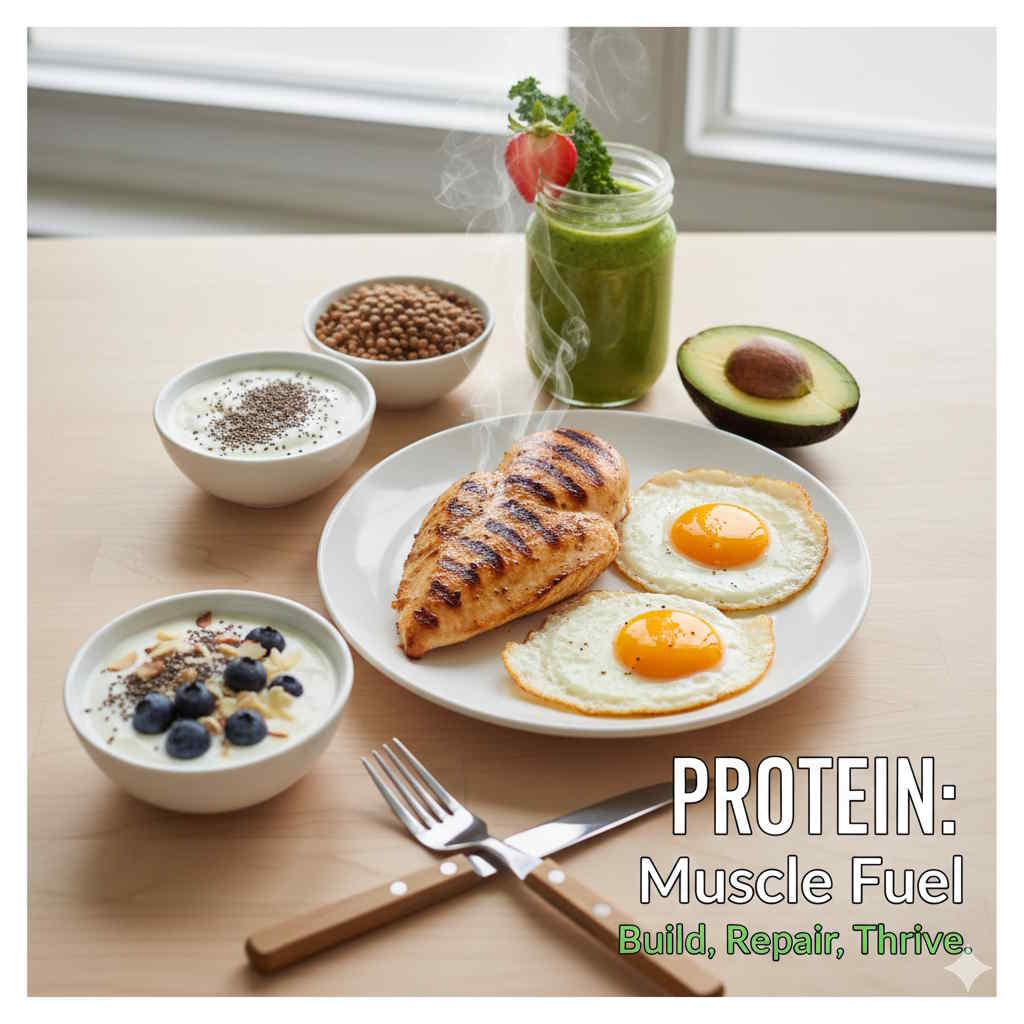
Protein: How Much Do You Really Need for Optimal Results?
Published: February 2026 | Reading Time: 5 min
Protein is the most discussed macronutrient in the fitness world. Whether your goal is to build muscle, lose fat, or simply maintain your health, understanding your requirements is essential.
| Activity Level | Recommended Range (g/kg) |
|---|
| Sedentary | 0.8 - 1.0 |
| Active / Maintenance | 1.2 - 1.5 |
| Muscle Building / Fat Loss | 1.6 - 2.2 |
The Role of Protein in Fat Loss: Protein has the highest Thermic Effect of Food (TEF), meaning your body burns more calories digesting protein than it does fats or carbs.
Micro-Workouts: Why 5 Minutes Matters More Than You Think
Published: February 2026 | Reading Time: 4 min
Science is now proving that "Micro-Workouts"—short bursts of activity lasting 3 to 10 minutes—can have a profound impact on your health through NEAT (Non-Exercise Activity Thermogenesis).
Try the "3x5" rule: three 5-minute sessions per day.
- Morning: 5 mins stretching.
- Lunch: 5 mins brisk walking.
- Evening: 5 mins core work.
Hydration Science: Why Water is Your Best Performance Enhancer
Published: February 2026 | Reading Time: 5 min
Even a 2% drop in body water content can lead to a significant decrease in physical and mental performance. Muscles are roughly 75% water.
Rule: Aim for 30-35ml of water per kg of body weight.
The Power of Sleep: Your Body’s Natural Anabolic State
Published: February 2026 | Reading Time: 7 min
You don't grow muscle in the gym; you grow muscle while you sleep. Lack of sleep increases Cortisol, which breaks down muscle tissue.
| Sleep Hours | Impact on Fitness |
|---|
| < 6 Hours | Increased injury risk. |
| 7 - 8 Hours | Optimal recovery. |
| 9+ Hours | Elite athletes. |
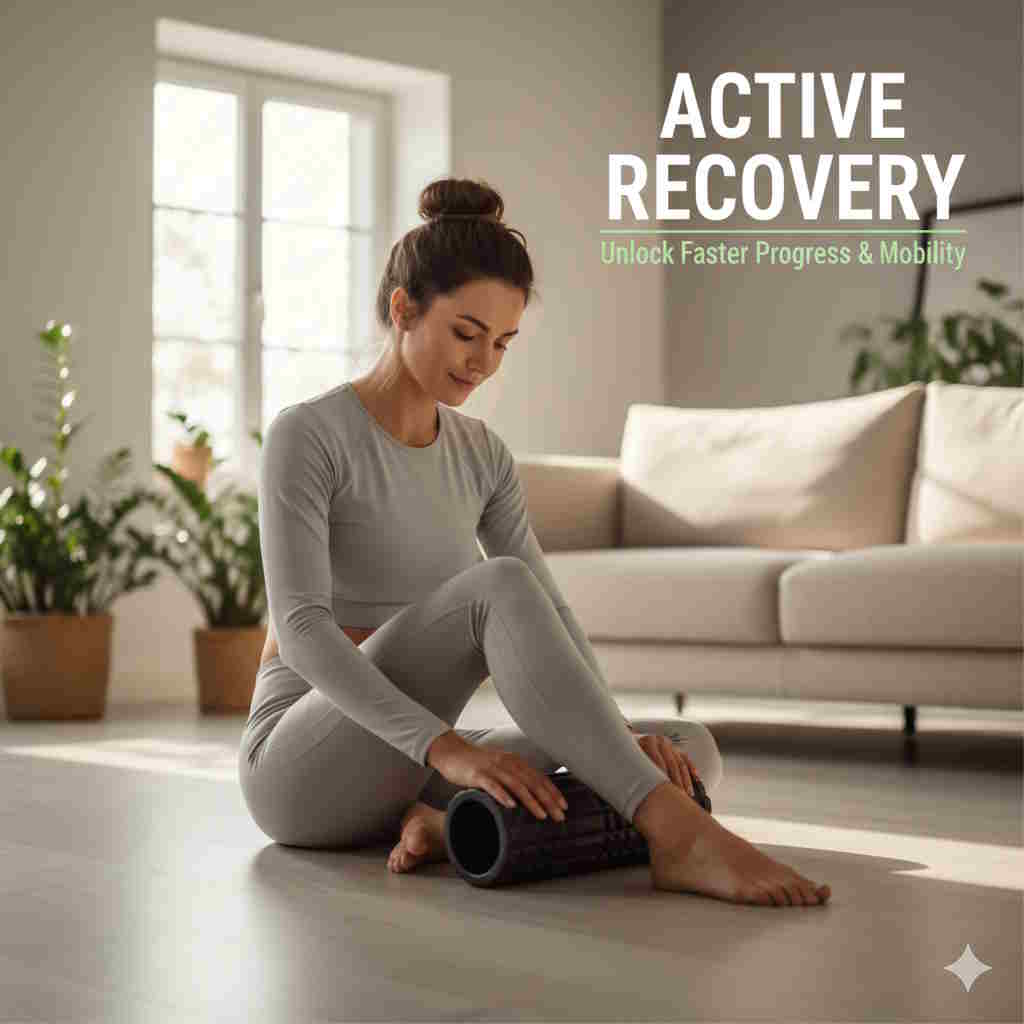
Active Recovery: Move More to Recover Faster
Published: February 2026 | Reading Time: 4 min
Low-intensity movement like walking or swimming helps flush out metabolic waste and delivers oxygen-rich blood to sore muscles.
Dynamic vs. Static Stretching: When to Do Which?
Published: March 2026 | Reading Time: 5 min
Not all stretching is created equal. Science has shown that stretching at the wrong time can actually decrease your power output and increase injury risk. To get the most out of your 10-minute DailyFit routine, you need to understand the difference between Dynamic and Static stretching.
The Pre-Workout Winner: Dynamic Stretching
Dynamic stretching involves active movements where joints and muscles go through a full range of motion. Think leg swings, arm circles, or torso twists. This type of stretching "wakes up" the nervous system, increases blood flow, and raises core temperature.
Benefits of Dynamic Stretching:
- Improves Power: Prepares muscles for explosive movements like squats or jumps.
- Mental Prep: Helps coordinate the mind-muscle connection before the HIIT circuit starts.
- Functional Range: Mimics the movements you’ll actually do during the workout.
The Post-Workout Cooler: Static Stretching
Static stretching is when you hold a single position for 30 to 60 seconds (like touching your toes). While great for overall flexibility, doing this before a workout can temporarily "weaken" the muscle, making it less responsive during high-intensity training.
| Type | Best Time | Goal |
|---|
| Dynamic | Before Workout | Performance & Warm-up |
| Static | After Workout | Recovery & Flexibility |
The Verdict: Always start your session with 2-3 minutes of dynamic movement to prime your body. Save the deep, relaxing static holds for after your workout to help your heart rate return to normal and kickstart the recovery process.